Get in touch

Thank you! We have got your message and will reach out to you soon.
Something went wrong while submitting. Please try again.

Our Annual Report is here. A quick glance at all that we have been up to in 2024-25.
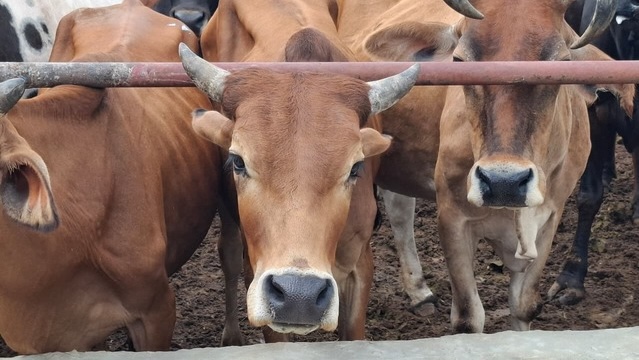
ALPN is conducting a pilot animal welfare needs assessment study in Hoshiarpur district in Punjab. The project is being undertaken in collaboration with the District Red Cross Society of Hoshiarpur. The study maps the conditions of animals within the district and uses these findings to develop targeted recommendations and action plans for relevant departments within the district administration. The study started in July 2026 and the needs assessment phase is expected to conclude in October 2026. This will be followed by a pilot implementation phase where ALPN will support the district in implementing prioritised recommendations for a period of six months.
.jpeg)
ALPN is conducting a needs assessment study to map the capacity of existing non-profit organisations working with community dogs, as well as the government veterinary infrastructure for community dogs, across two districts of the Mumbai Metropolitan Region. The study will map the existing capacity for different welfare priorities, highlight unmet needs, and recommend priority areas where funding can be strategically provided to maximise impact. The findings are intended to help make better decisions to fund impactful interventions at the local level for improving the lives of community dogs.
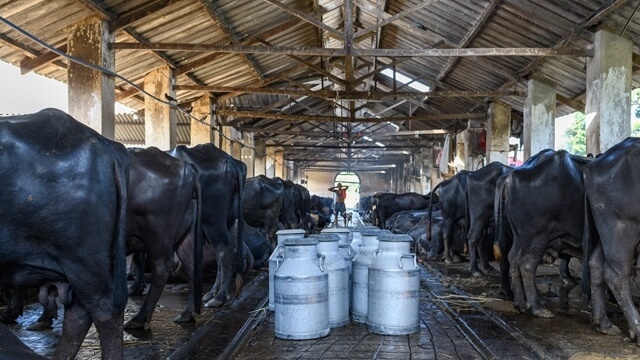
ALPN is undertaking a scoping study to examine the economic incentives shaping India’s dairy industry and their role in advancing climate-resilient farming practices. The study will map existing subsidies, while also analysing the potential impacts of climate change on the sector through a combination of literature review and expert stakeholder consultations. This is the first study of its kind to explore the relationship between economic incentives in dairy farming and their broader implications for climate resilience. Photo: anipixels.com
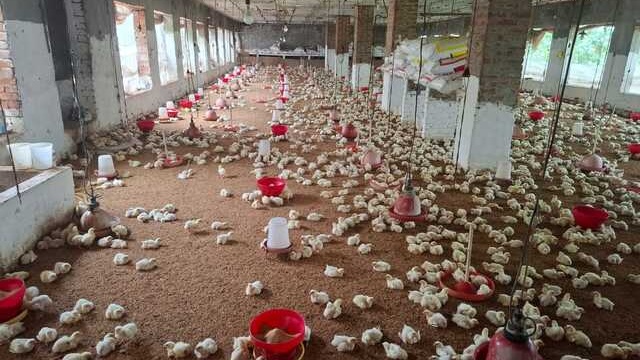
ALPN is undertaking a project to examine the trends in animal agriculture in India over the past decade through data collected from government reports. The project focuses on 8 (eight) categories of animals: poultry (chickens and ducks), cattle (cows), buffaloes, sheep, goats, pigs, fish, and shrimp. In addition to production and slaughter related data, the project uses literature review to document common farming practices in these sectors and how they impact animal welfare. The project also maps the legal and regulatory framework surrounding these animals. This work will be published as an eight-part series of reports during 2026-27.
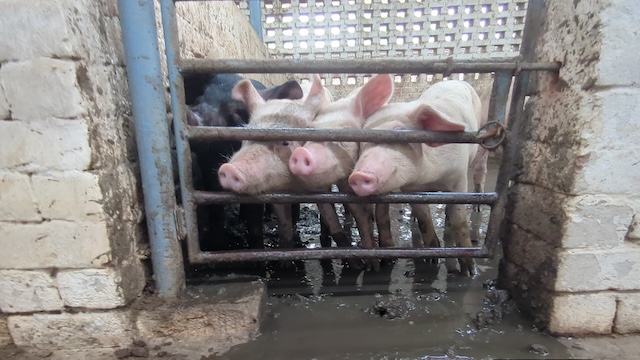
ALPN has completed a first-of-its-kind district animal welfare audit in Sri Muktsar Sahib in Punjab and submitted the District Animal Welfare Audit Report and Action Plan to the district administration of Sri Muktsar Sahib. The report highlights the state of animal welfare across various sectors like dairies, poultries, gaushalas, piggeries, aquaculture farms, pet shops, and equine farms and provides actionable immediate, short, medium, and long-term recommendations to improve animal welfare.
.jpg)
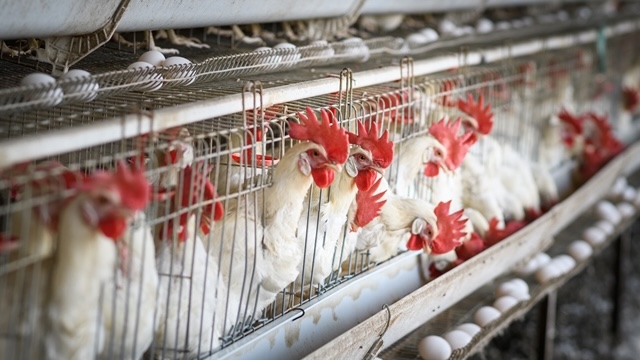
The increasing intensification of poultry production in India, coupled with poor animal welfare standards, poses serious risks to worker health, safety, and rights. Drawing on field-based evidence, legal and policy analysis, the project will develop recommendations aimed at improving labour conditions in poultry farms while simultaneously advancing animal welfare standards. Photo: anipixels.com
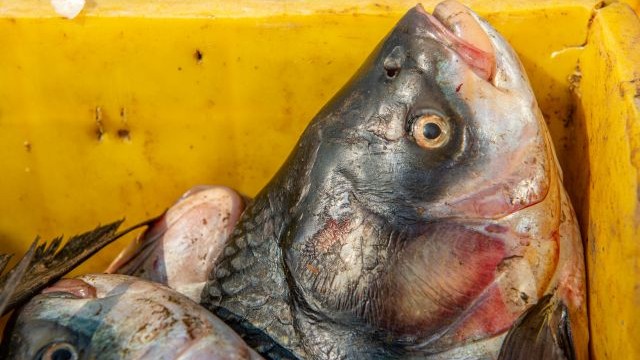
ALPN conducted a legal and policy landscape analysis of freshwater aquaculture and found potential linkages to and impact on human health. The study, which involved field work in certain fishing districts in Andhra Pradesh, found that while coastal aquaculture in India is heavily regulated, the framework for freshwater aquaculture is fragmented and insufficient. There are issues of lack of standardised disease management and reporting, prophylactic use of chemicals and antibiotics and compromised fish health in freshwater systems.

ALPN conducted an analysis of anti-cruelty animal laws in India for the Asia-Pacific Animal Law Overview (APALO) database developed by World Animal Justice (WAJ). For this project, ALPN prepared a comprehensive outline of the various forms of cruelty that have been recognised in India and the punishments in place for them. ALPN also prepared a list of landmark animal law cases from India. The database is now available in the form of an app (https://waj-database.glide.page/).

In collaboration with Humane World for Animals-India, Institute for Stem Cell Science and Regenerative Medicine (InStem), and Dr. Reddy's Laboratories, ALPN undertook a systematic landscape analysis of non-animal methods (NAMs) for India's pharmaceutical sector. This project aims to create an evidence-based roadmap for the adoption and acceleration of non-animal methods in the drug development sector in India. A report containing key recommendations is expected to be launched in early 2026.